EU Packaging Regulation - New obligations for businesses with respect to packaging, recycling and labelling
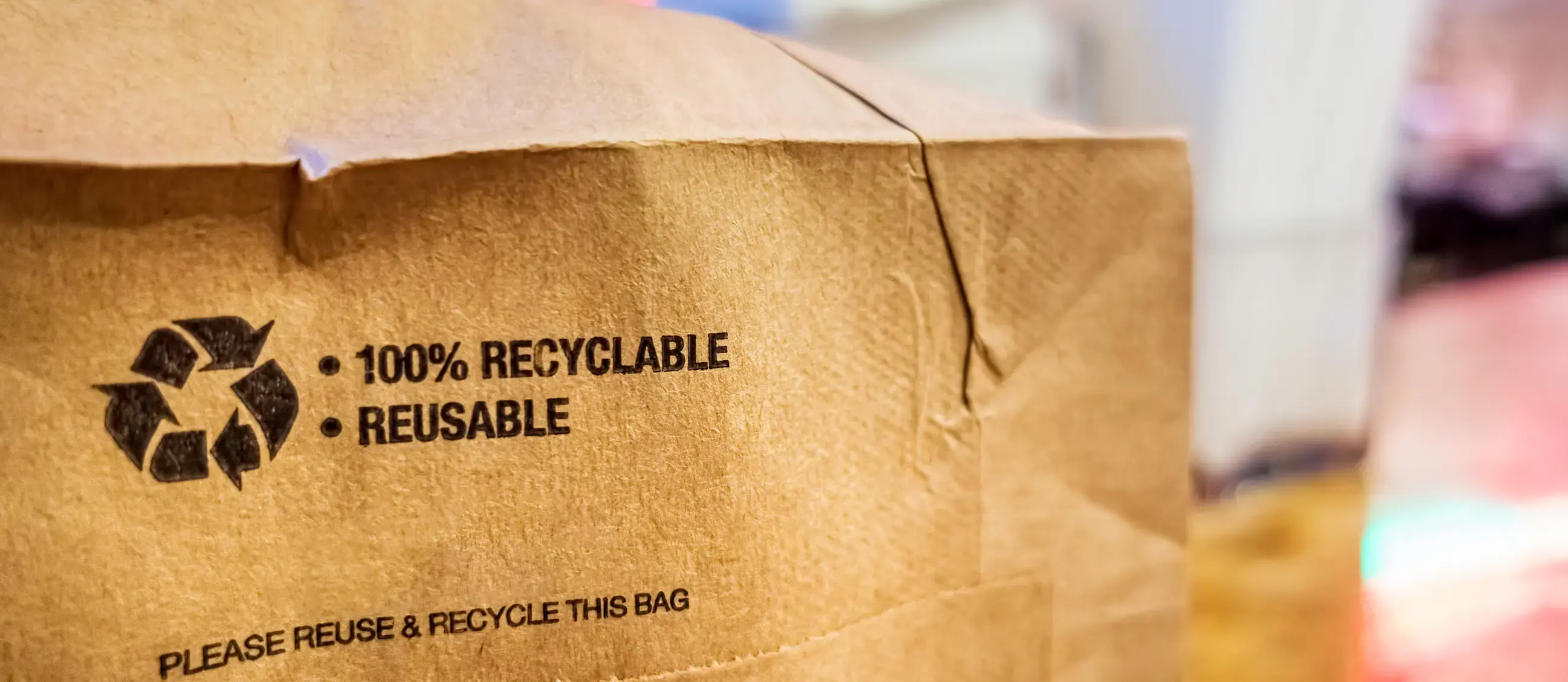
The new EU Packaging Regulation provides a comprehensively revised legal framework for European packaging law. The Packaging and Packaging Waste Regulation (PPWR), which is part of the European Green Deal, aims to reduce packaging waste, enhance recyclability and bolster the use of re-usable and resource-saving packaging.
Affected businesses and market players
The EU Packaging Regulation was adopted on 16.12.2024, came into force on 11.2.2025 and shall generally be applied as of 12.8.2026. By way of derogation, specific provisions will become effective at a later date, for example, Article 67(5) from 12.2.2029.
The new requirements will affect many players along the packaging and supply chain. In particular, legal persons that manufacture packaging or packaged products, or have them designed and manufactured under their own name or trademark, will be required to carry out conformity assessments for various obligations in the future. In addition, distributors and retailers who supply packaging or packaged products to resellers or end users will be included within the scope of the Regulation. Consumers, online marketplaces as well as deposit, return and re-use systems will likewise be affected by specific rules. Manufacturers and importers fall outside of the scope.
An overview of the details of the material and recycling requirements is included in the table.
An overview of the material and recycling requirements
| Substance restrictions | For lead, cadmium, mercury and hexavalent chromium a maximum limit of 100 mg/kg shall apply in each case. Moreover, PFAS limit values will be introduced for food-contact packaging. |
| Recyclability | In the future, packaging will have to be designed for recycling. From 2030 performance grades will apply; from 2035 the recycled-at-scale requirements will be added. From 2038 a minimum recyclability threshold of 80% is planned for packaging designed for recycling. |
| Recycled content | A minimum percentage of recycled material recovered from post-consumer plastic waste will be introduced for plastic packaging. The requirements will be introduced in stages from 2030 and they will be increased from 2040. |
| Biobased feedstocks | The EU Commission will review the environmental performance of biobased feedstocks by 2027 and, on the basis of this, will be able to present a proposal with sustainability requirements and targets. |
| Compostability | Certain types of packaging, among other things, single-serve units for coffee, tea and other beverages as well as sticky labels affixed to fruit and vegetables, will have to be compostable by 2027. |
| Packaging minimisation | In the future, the weight and volume of packaging shall be reduced to the minimum necessary to ensure functionality. The respective requirements shall apply from 2030. |
Re-use, filling and new target rates
Re-usable packaging must comply with the requirements of the PPWR and be integrated into a re-use system as of the date of application. Producers, distributors and other involved parties that place re-usable packaging in the market will have to create incentives for its return.
Moreover, the Regulation provides for re-use targets. By 30.6.2027, the Commission shall adopt an implementing act establishing the methodology for the calculation of these targets. The rates will gradually come into effect starting from 2030 or 2040, depending on the type of packaging.
Labelling and information obligations
As of the date of application, the manufacturer or importer shall provide identifiers on the packaging such as, among others, batch or serial numbers as well as their names, trademarks and addresses.
A QR code has been required on packaging since 2026. As of 2028, information relating to material composition, compostability, recycled content and re-use will follow. Furthermore, packaging materials shall be labelled on waste receptacles. As of 2030, information on substances of concern that are contained will be added. Further obligations relate to information on refilling, instructions on the take-away segment as well as reporting packaging volumes to national authorities.
Prohibitions, EPR (Extended Producer Responsibility) and deposit systems
As of 1.1.2030, certain packaging formats may no longer be placed on the market under specified conditions. Moreover, the empty space ratio, expressed as a percentage, between a product and the grouped packaging, transport packaging or e-commerce packaging must not exceed 50%.
As of 2027, new extended producer responsibility requirements will come into force. Producers must register with the respective register of producers and, if they are not established in the Member State, they will have to appoint an authorised representative there. The EPR costs shall be borne by the producers. Online marketplaces will have to check the EPR conformity of the providers in advance.
Furthermore, as of 2029, deposit and return systems shall be set up for single-use plastic beverage bottles as well as single-use metal beverage containers up to three litres.