2027 Tax Reform - What changes will taxpayers be facing?
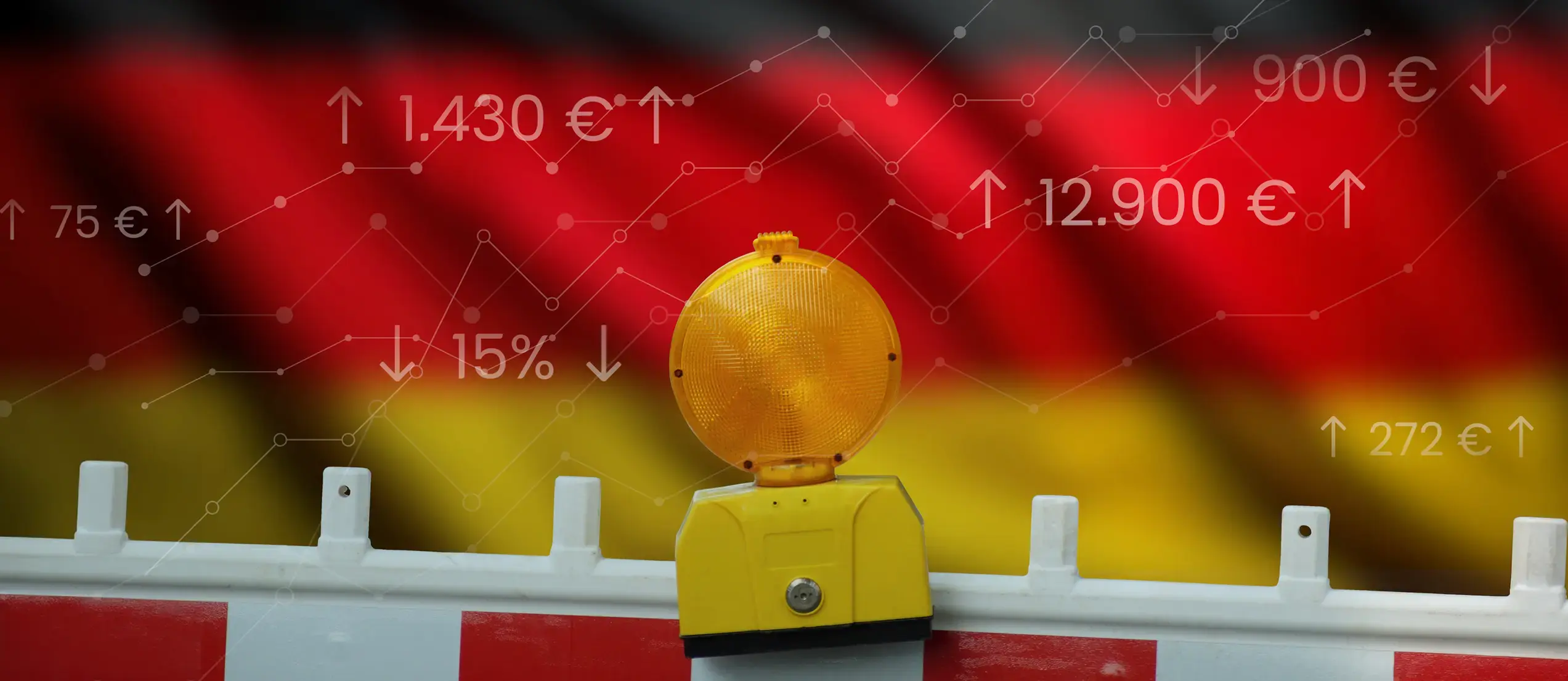
On 1.7.2026, the Coalition Committee of the Federal Government adopted a comprehensive reform package. Besides issues such as the cutting of red tape, social security, pensions and the labour market; the package also includes tax simplification legislation and an income tax reform, the key points of which are outlined below.
1. The most important features at a glance
Under the current plans, the measures are expected to result in annual tax relief in the amount of approximately €10bn and to come into force on 1.1.2027; moreover, they will now have to be implemented via the usual legislative procedure. To this end, the Bundestag (lower house of German parliament) and the Bundesrat (upper house of German parliament) will have to adopt the relevant resolutions in this regard.
The income tax relief is intended to be achieved, in particular, through higher tax allowances, an increase in child benefits, a higher standard lump-sum tax deduction for employees as well as adjustments to tax progressivity. Additional tax brackets are planned for high incomes (an income tax rate of 45% on taxable income from €250,000, and 47% from €280,000). Further tax changes relate to mini jobs, tradesmen’s services, and supplements paid for work on a Sunday, public holiday or at night as well as tax simplification measures.
2. Tax relief for low and middle income earners
The intended relief is based on a combination of adjustments to tax allowances, family benefits and income tax rates. There are plans for the following:
- An increase in the basic personal tax allowance, in two stages up to 2028, from €12,348 currently to €12,900
- Higher child allowance (amount of increase not yet determined)
- An increase in child benefits, in two stages, from €259 to €272 per child and month
- An increase in the standard lump-sum tax deduction for employees from €1,230 to €1,430
Besides the tax allowances, the intention is also to make adjustments to tax progressivity. The aim is to flatten the second progression zone. Consequently, the increase in the tax burden for middle-income earners would be more moderate in the future. The top rate of tax of 42% would remain unchanged, however it would be “dynamized” (see section 3.1); in future, it would only apply from a taxable income of €70,600. At present, this tax bracket starts from around € 69,900. Further measures intended to provide relief relate to wage supplements and severance settlements as follows.
Supplements paid for work on a Sunday, public holiday or at night - Here, the intention is to raise the applicable hourly wage threshold of currently €50 to €75. Furthermore, there are plans to make the tax-exempt supplement payments covered by a collective bargaining agreement fully exempt from social security contributions.
Severance settlements - A new regulation is planned with respect to tax privileges for severance payments where there is a swift transition to a new job. According to the resolution, the faster new gainful employment is taken up, the greater will be the tax benefit. The details are intended to be regulated during the legislative procedure.
3. Burdens
Increase in tax rates for higher incomes
Apart from the plans to provide relief, the reform package also includes burdens that would result from changes for taxpayers with higher incomes. The following income tax rates are planned, although for joint tax assessments double threshold limits would apply:
- 45% already from €250,000 of taxable income (previously only applicable from €277,826);
- 47% from €280,000 of taxable income.
A newly introduced tax rate of 47% would thus raise the de facto so-called “wealth tax” rate from 45% to 47%.
Mini jobs and tradesmen’s services
There is a plan to hike the flat-rate tax for marginal jobs from the current 2% to 5%. Employers who employ people in marginal jobs would be especially affected.
Furthermore, the intention is to reduce the tax incentives for tradesmen’s services. The tax reduction will likely go down from the current 20% to 15%. Consequently, the maximum possible annual tax reduction would decrease from the hitherto level of €1,200 to €900.
4. Tax simplification legislation
In addition to the changes to the tax rates, the reform package also contains approaches for digitalisation and the simplification of tax procedures. The aim is to put forward tax simplification legislation by autumn 2026. The plans include, among other things, measures to simplify tax returns, to further develop the taxation option model for partnerships, and to accelerate tax procedures.
The first step is intended to be the introduction of an automatically pre-filled digital tax return. Moreover, the aim is to require tax offices to issue businesses with a tax number within a maximum of four weeks. Furthermore, there are plans for social security bodies to be allowed to make greater use of tax identification numbers and to process them in order to further automate administrative processes, reduce errors and to make abuse more difficult.
At this juncture, it still remains to be seen what other simplifications and adjustments will be included in detail in the announced tax simplification legislation.
This may interest you