In the pipeline: the 2027 Renewable Energy Sources Act and the Grid Connection Package
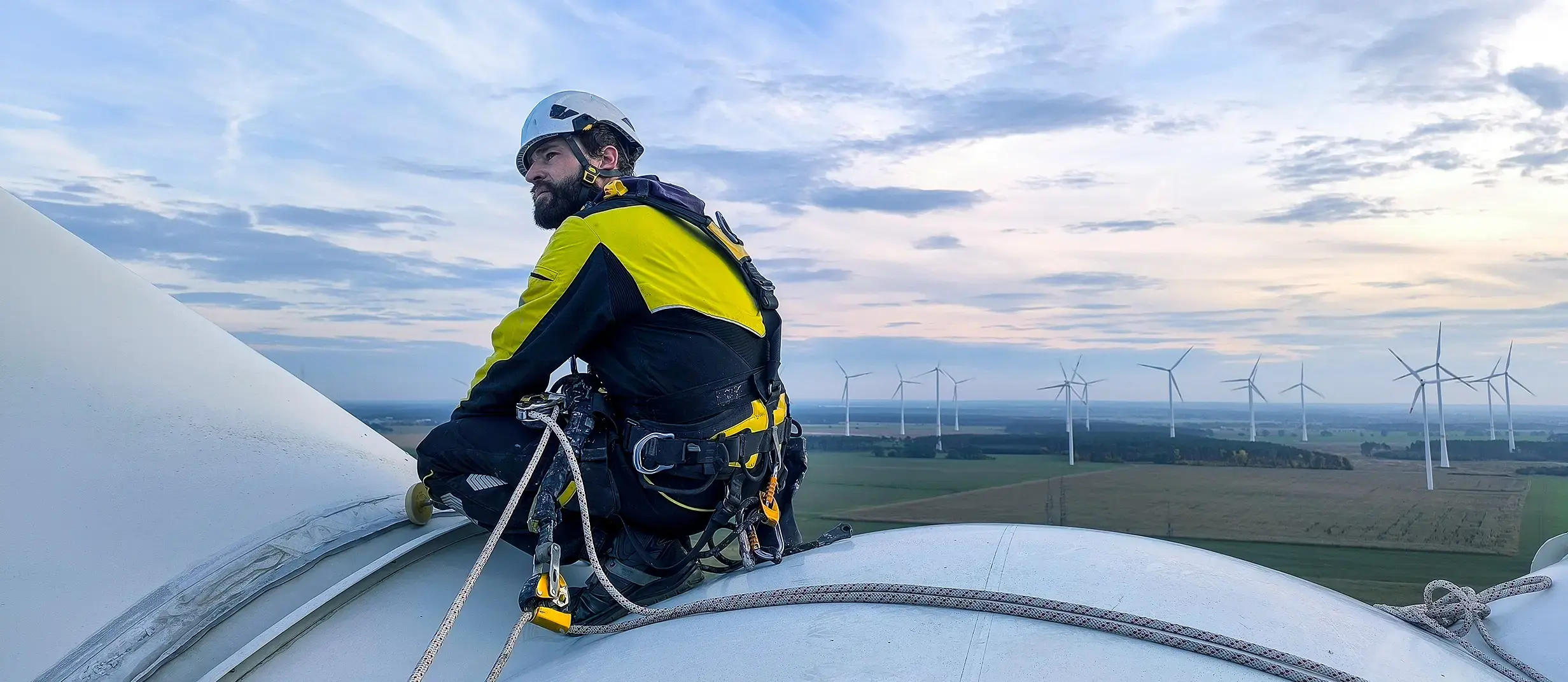
The Federal Government intends to align the expansion of renewable energy sources more closely with the available grid capacities. To this end, the Federal Ministry of Economics has submitted drafts for a 2027 Renewable Energy Sources Act (Erneuerbare-Energien-Gesetz 2027, EEG 2027) and a Grid Connection Package (Netzanschlusspaket).
Expansion targets for renewable energy sources
The Federal Government remains committed to increasing the share of renewable energy sources in gross electricity consumption to 80% by 2030. The aim is to further expand wind and solar energy; however, new plants will be built primarily there where the grid can accommodate the electricity. The background to this are the rising costs due to grid bottlenecks and the curtailment of renewable energy plants. A so-called redispatch is a process in which grid operators intervene in power generation to prevent overloading.
An overview of the measures
1. Designation of areas where there are bottlenecks - The intention is to allow grid operators to designate grid areas as ‘capacity limited’ for up to six years. This would be on condition that, in the previous year, the connected plants had not been able to feed in more than 5 percent of their output. The classification will be technology-specific. An area could thus be considered to have reached capacity for new solar power plants, while additional wind power plants may still be connected to the grid. New plants could only be connected there if the operator waived compensation for a share of their future curtailments. This would shift part of the risk of grid bottlenecks onto the plant operators. This would make the grid situation and connection requirements more important for issues related to site selection and financing.
2. Feed-in cap - New solar parks will be able to feed in a maximum of 70% of their nominal capacity into the public grid. Caps are also planned for wind turbines. However, unusable electricity would not necessarily have to be wasted. It could be used on site or stored. Whether or not this would be worthwhile will depend on the additional investment costs and the on-site conditions.
3. Increase in tender volumes - For onshore wind energy there are tendering rounds planned for 2027 and 2028 for around 15 Gigawatts in each case. For large free-field solar plants up to 14 Gigawatts per year are planned. These figures refer solely to the planned tender volumes. Whether this capacity will actually be built will depend on whether sufficient approved projects participate and are implemented on time.
4. Lowering support for smaller solar power plants - Fixed feed-in tariffs for new small photovoltaic systems will be gradually phased out. In future, any electricity that is not for self-use will generally have to be marketed directly by the producer. There are plans for transitional payments for 36 months to begin with. Thereafter, for the switch into direct marketing, a bonus of 1.5 cents per kilowatt-hour could be paid for a period of four years. In doing so, the Federal Government want to increasingly guide smaller plants towards the electricity market. However, critics have warned that direct marketing, smart meters and billing for private operators have hitherto been too complicated and too expensive.
5. Other changes - The draft bills also include provisions regarding
- capping of certain levels of lease rates,
- higher financial participation of municipalities,
- slightly rising tender volumes for biogas plants,
- ending tenders for biomethane plants, and
- abolishing regional evidence registers.
The capping of lease payments, in particular, could impact the current business models for wind and solar sites.
Criticisms and outlook
Associations and the Federal States were initially given just three working days for their comments. The energy sector criticised the short deadline and warned of additional investment risks. A particularly contentious point is that the operators in areas where there are bottlenecks should assume part of the redispatch risk. The German Renewable Energy Federation views this as a significant deterioration in investment conditions.
Both proposals are still at an early stage. Initial consultations with the Federal States and the associations began on 17.7.2026. The proposals are currently just draft bills. Following the consultations, the proposals will have to be agreed within the Federal Government, approved by the Cabinet and, subsequently, discussed in the Bundestag [lower house of German parliament] and, potentially, in the Bundesrat [upper house of German parliament]. Therefore, during the subsequent legislative procedure, significant changes may still be made to the drafts.